
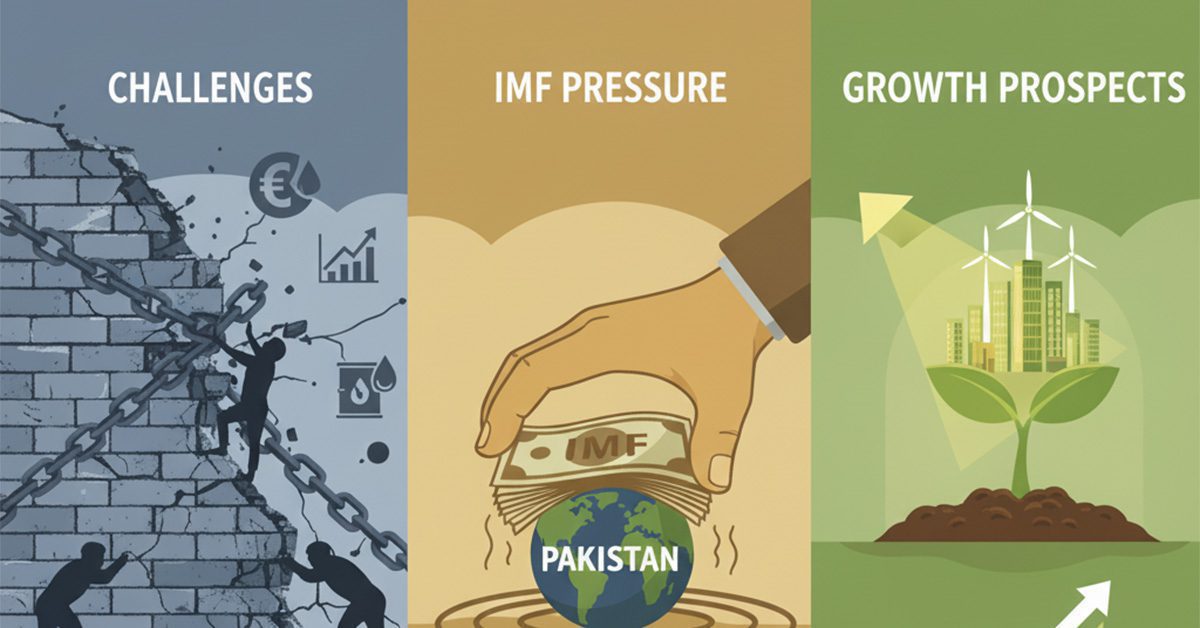
The Pakistan economy 2025 stands at a critical juncture, balancing between hope for recovery and the harsh realities of global and domestic challenges. With rising inflation, dependence on the International Monetary Fund (IMF), and a sluggish growth rate, the economic outlook is both concerning and uncertain. While the government promises reforms and long-term stability, citizens and businesses are already feeling the weight of higher costs and slower opportunities.
This blog explores the key challenges facing the Pakistan economy in 2025, including the role of the IMF Pakistan 2025 program, persistent Pakistan inflation, and the fragile Pakistan growth rate that determines the country’s future trajectory.
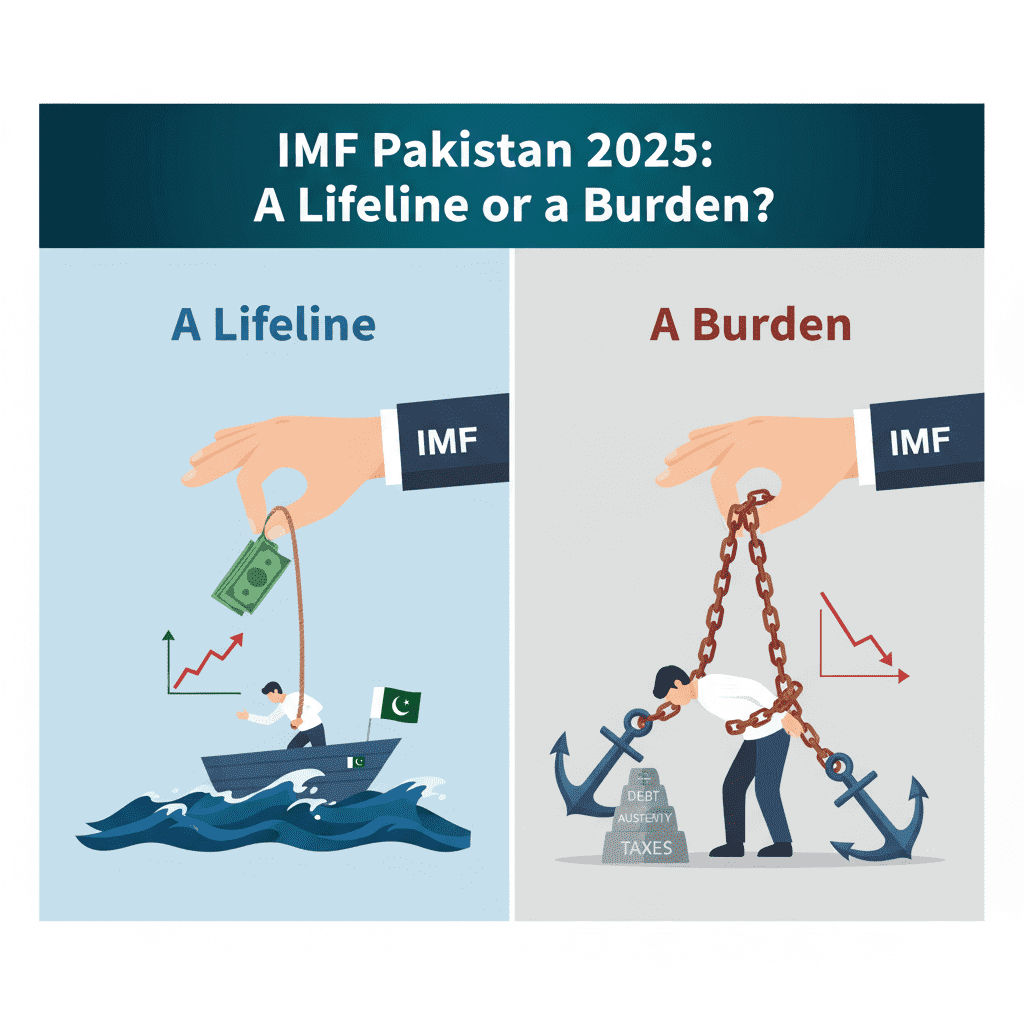
IMF Pakistan 2025: A Lifeline or a Burden?
One of the most defining factors shaping the Pakistan economy 2025 is the country’s continued dependence on the IMF. Pakistan entered yet another Extended Fund Facility program in recent years, designed to stabilize foreign reserves, control fiscal deficits, and restore investor confidence.
However, the IMF conditions come at a heavy price:
- Higher electricity and fuel tariffs.
- New and increased taxes across various sectors.
- Reduction in government subsidies, especially in energy and agriculture.
While these reforms are intended to stabilize the economy, their immediate impact is painful for the average Pakistani. Rising bills, reduced purchasing power, and limited business incentives have slowed down local industries.
For businesses, the IMF program means tighter regulations but also a chance for long-term stability if implemented correctly. For citizens, however, IMF reforms often translate into short-term hardships.
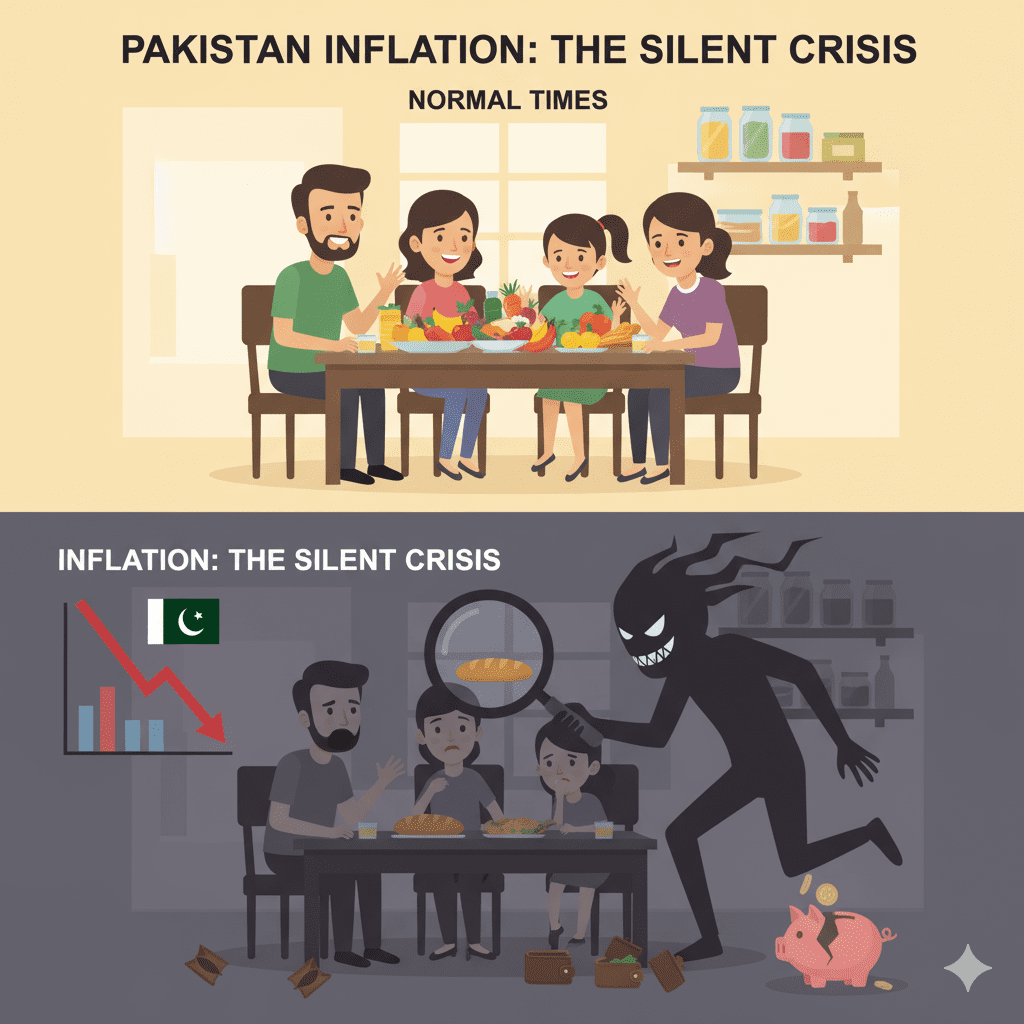
Pakistan Inflation: The Silent Crisis
Perhaps the most pressing challenge for the Pakistan economy 2025 is inflation. Over the past few years, Pakistan has struggled with double-digit inflation rates, making everyday essentials increasingly unaffordable.
Key drivers of inflation include:
- Imported fuel dependency – Global oil price hikes directly affect Pakistan’s domestic market.
- Currency depreciation – The rupee’s weakness against the dollar has pushed up the cost of imports.
- Food insecurity – Disruptions in local agriculture and rising fertilizer costs have made food items more expensive.
In 2025, inflation remains a silent crisis for the majority. Urban households struggle with higher rent, food, and transport costs, while rural communities face rising farming input prices. Although the government has attempted price control mechanisms, their effectiveness is questionable.
The link between IMF conditions and Pakistan inflation is also clear. When subsidies are removed and tariffs are increased, inflation spikes—impacting the poorest the hardest.
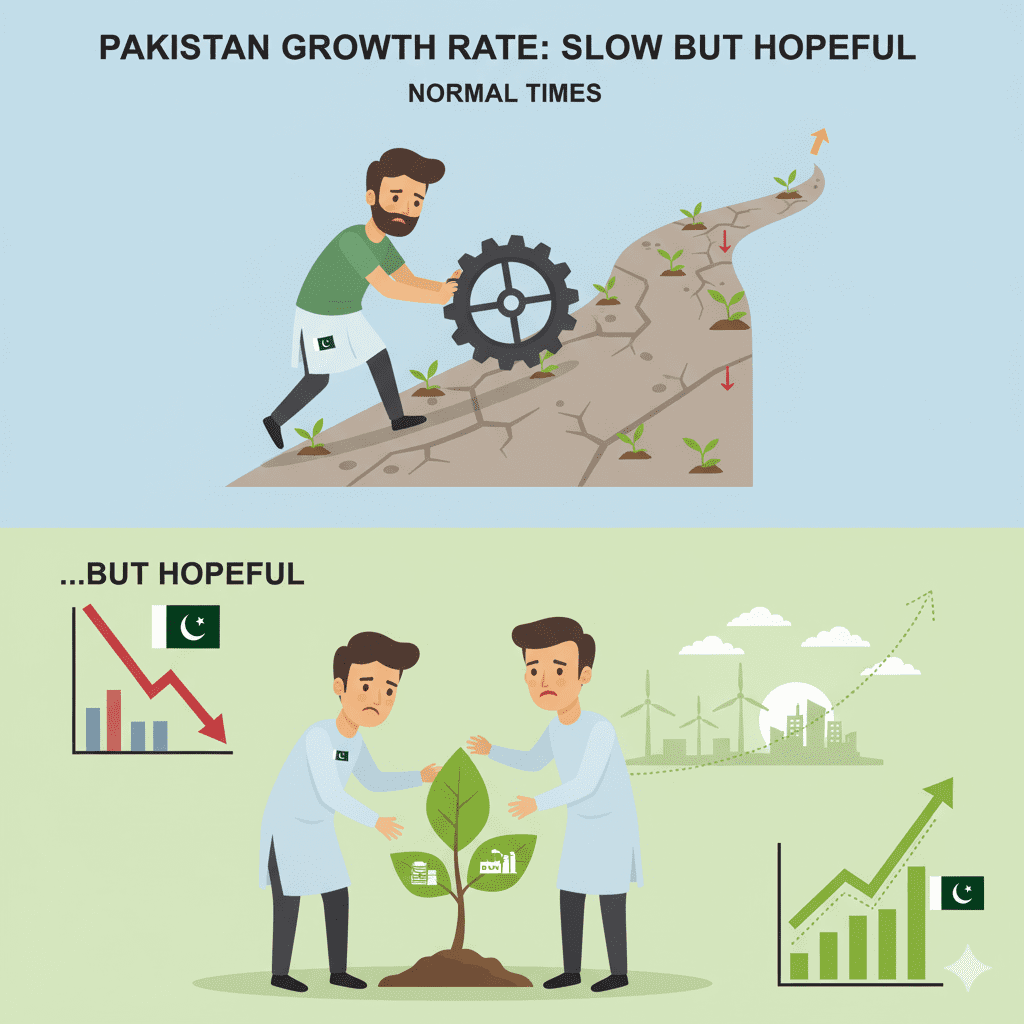
Pakistan Growth Rate: Slow but Hopeful
The Pakistan growth rate is another crucial factor in shaping the country’s economy in 2025. After years of instability, Pakistan’s GDP growth remains sluggish, hovering between 2–3%. This is significantly lower than the regional average, with countries like India and Bangladesh growing at much faster rates.
The reasons behind Pakistan’s weak growth rate include:
- Political instability – Frequent changes in government policy discourage investors.
- Energy crisis – Load-shedding and expensive power make industries less competitive.
- Low exports – Pakistan’s export base remains narrow, relying heavily on textiles.
- High debt servicing – A significant portion of revenue goes into repaying loans.
However, there is cautious optimism. If Pakistan can stabilize politically and implement consistent economic reforms, sectors like IT, agriculture technology, and renewable energy could provide a boost. Initiatives in digital banking, freelancing, and e-commerce have already shown promising results.
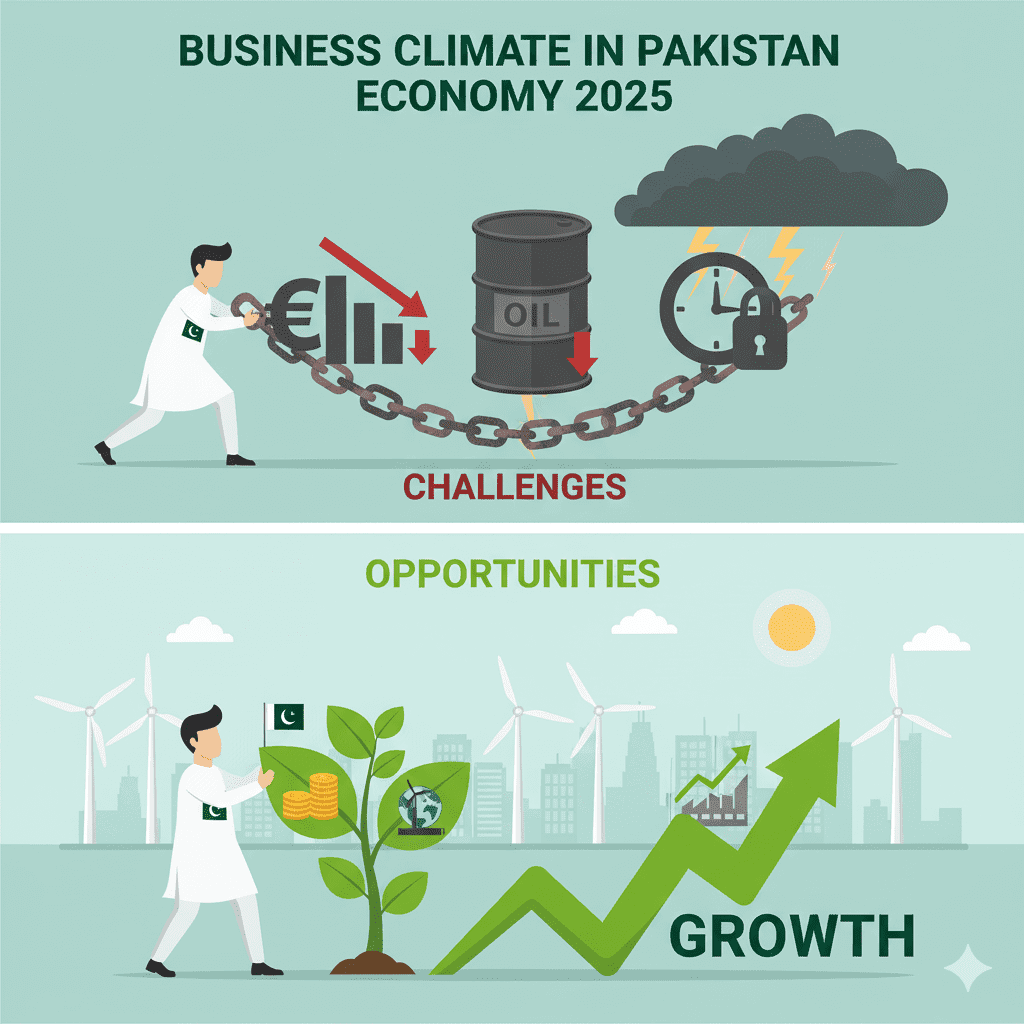
Business Climate in Pakistan Economy 2025
For businesses, the Pakistan economy 2025 presents both challenges and opportunities.
Challenges:
- Higher costs of raw materials due to inflation.
- Regulatory hurdles under IMF reforms.
- Uncertain currency fluctuations.
Opportunities:
- Digital economy expansion with IT exports rising.
- Growing demand for renewable energy solutions.
- Untapped potential in agriculture modernization and food exports.
Entrepreneurs who adapt to digitalization, sustainability, and export-driven strategies may find opportunities even in this challenging environment.
Impact on Citizens
Ordinary Pakistanis bear the heaviest burden of the current economic situation. Rising inflation has reduced the purchasing power of households. Middle-class families, once considered stable, now struggle to cover education, healthcare, and housing costs. Lower-income groups face even tougher conditions, with poverty levels climbing steadily.
Remittances from overseas Pakistanis continue to act as a lifeline, providing some relief. However, reliance on remittances alone cannot sustain long-term growth. Citizens demand better governance, accountability, and policies that prioritize employment and affordability.
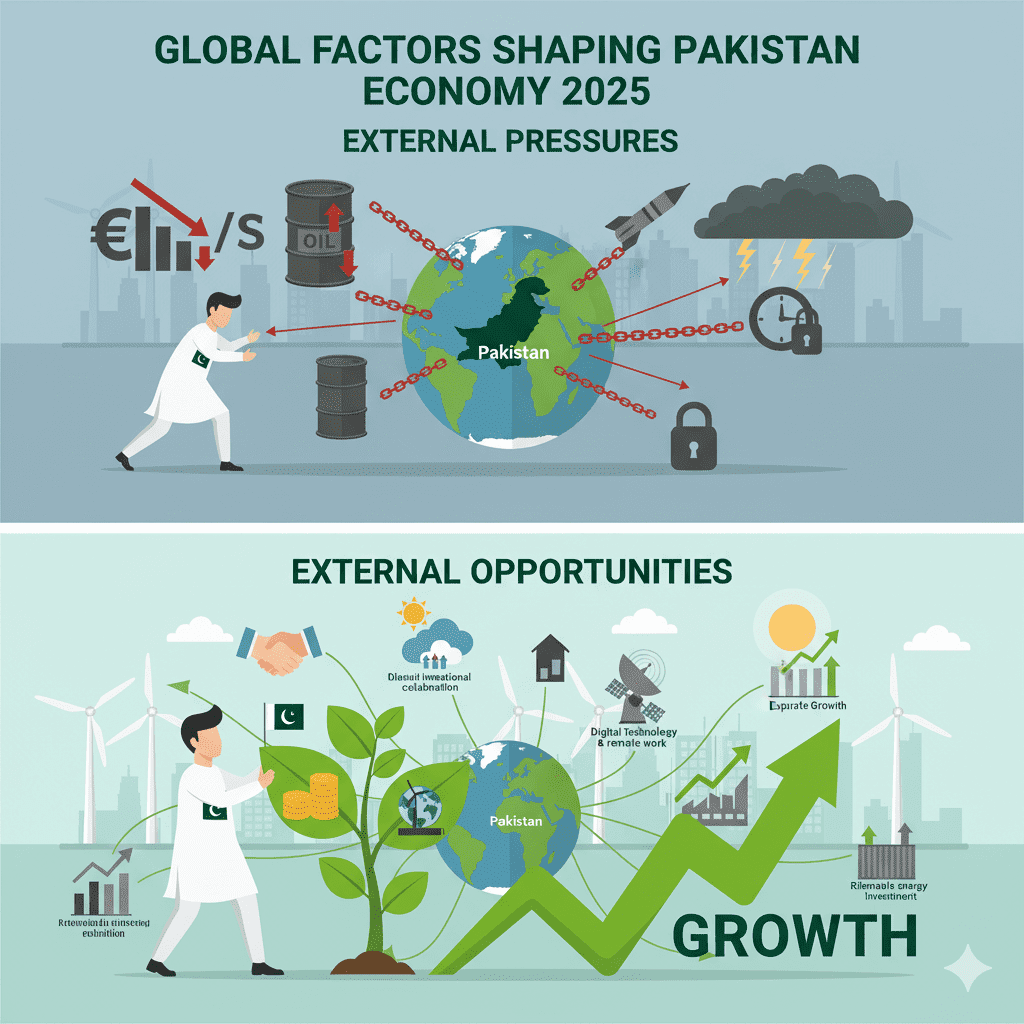
Global Factors Shaping Pakistan Economy 2025
The Pakistan economy 2025 does not exist in isolation. Several global factors directly influence its trajectory:
- Oil Prices: Global energy markets continue to fluctuate, and Pakistan’s import dependency makes it highly vulnerable.
- Geopolitical Shifts: Relations with China, the U.S., and Gulf countries affect trade, aid, and investment inflows.
- Climate Change: Floods and droughts have repeatedly disrupted Pakistan’s agriculture, impacting food security and exports.
A sustainable economic plan for Pakistan must consider these external variables.
The Way Forward
Despite the challenges, the Pakistan economy 2025 is not without hope. Policymakers and experts suggest a multi-pronged approach:
- Diversify exports beyond textiles, focusing on IT, pharmaceuticals, and agriculture.
- Encourage investment in renewable energy to reduce reliance on imported fuel.
- Promote digital transformation in education, banking, and governance.
- Strengthen local agriculture with technology to ensure food security and control inflation.
- Reduce reliance on IMF Pakistan 2025 programs by boosting domestic revenue and restructuring debt.
If these reforms are pursued consistently, Pakistan could stabilize its economy, attract foreign investment, and improve the quality of life for its citizens.
Conclusion
The Pakistan economy 2025 reflects a nation caught between challenges and opportunities. On one hand, IMF loan conditions and rising inflation weigh heavily on businesses and households. On the other, emerging industries and digital transformation offer new growth pathways.
For now, the road ahead remains tough, but with the right leadership, policy consistency, and resilience of the Pakistani people, the future can still be brighter than today’s challenges suggest.