
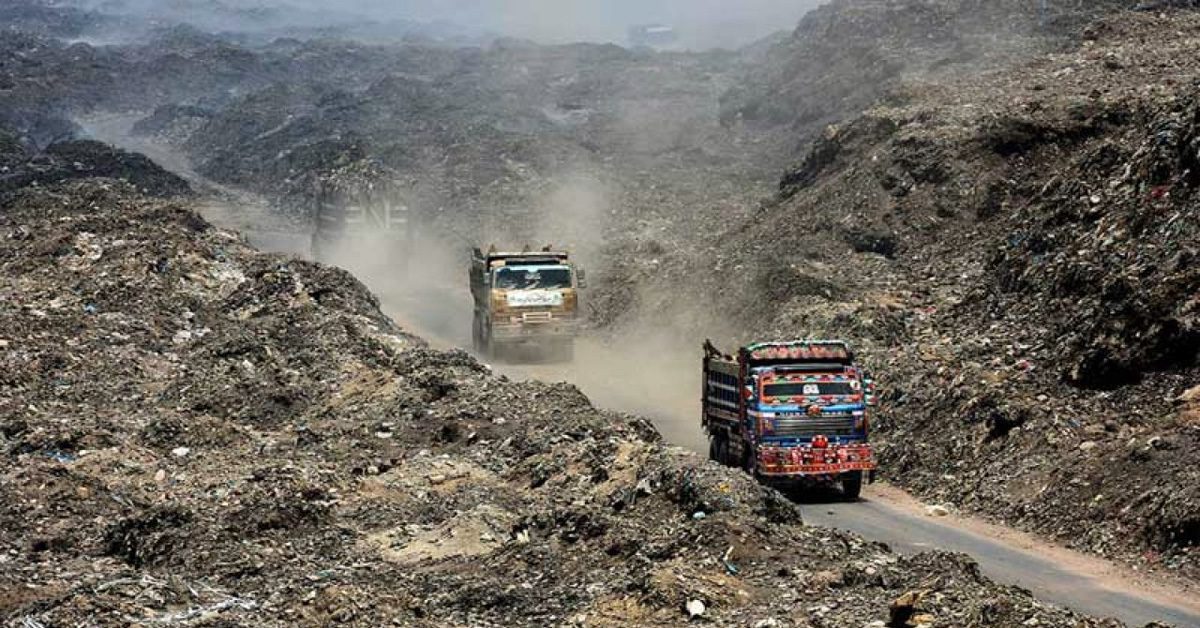
Stakeholders from government, academia, NGOs and the private sector convened at a dialogue hosted by Code for Pakistan to discuss worsening solid-waste management in Karachi, and to explore collaborative solutions.
According to a waste audit cited at the event, Karachi residents generate an average of 0.49 kg of municipal solid waste (MSW) per person per day — amounting to over 12,000 tonnes daily across the city.
Participants argued for a shift from ad-hoc cleanups to a structured system: licensing small waste-management firms, enforcing source segregation, and integrating recycling as standard practice.
Education and behaviour-change were also emphasized. One proposal suggested embedding waste-management awareness into school curricula, while others called it insufficient without habitual changes such as consistent use of bins and waste separation at source.
The discussion marks a renewed push for more systemic, cross-sector coordination — including public-private partnerships, regulation by the Sindh Solid Waste Management Board (SSWMB), and active community engagement — to address Karachi’s chronic waste-management challenges.