
Today marks the Winter Solstice, the shortest day and longest night of 2025 in the Northern Hemisphere, an astronomical event that officially ushers in winter as the sun reaches its lowest point in the sky. The solstice occurs when Earth’s axial tilt is farthest from the sun for this half of the globe, resulting in minimal daylight and extended darkness before days begin to lengthen again.
Key Points from Coverage
- The winter solstice is occurring on December 21, 2025, bringing the longest night and shortest day of the year for regions north of the equator, including North America and Europe.
- The event also creates excellent conditions for night sky viewing, including opportunities to see the Ursid meteor shower under dark skies near the new moon.
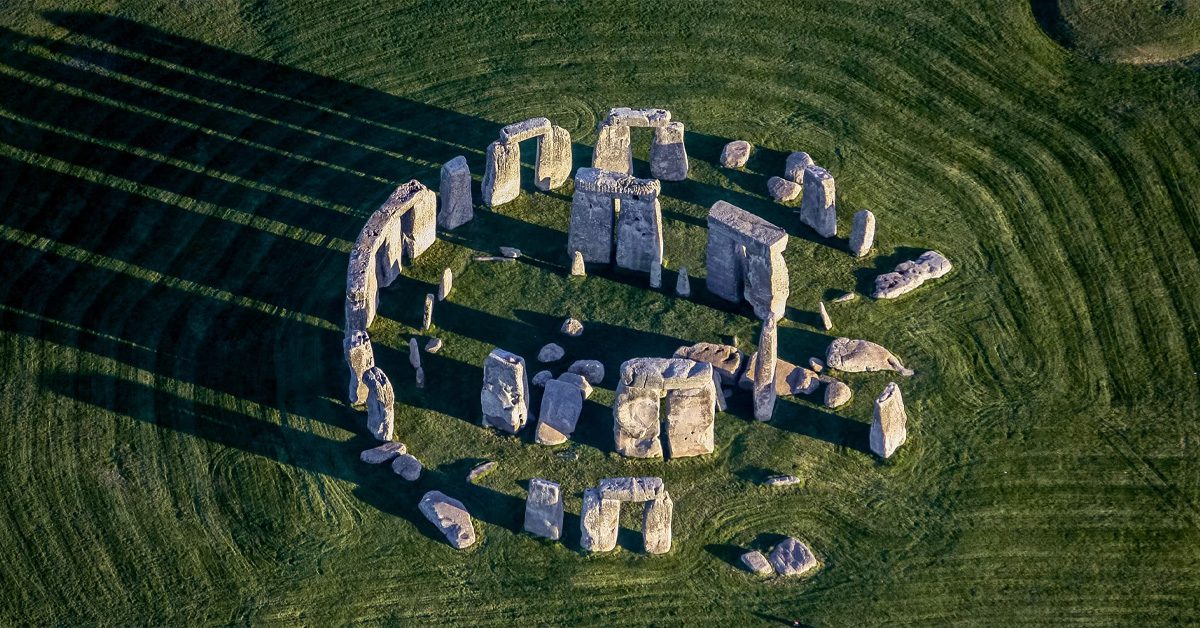
- Cultural observances around the solstice are happening globally; at Stonehenge, thousands have gathered for sunrise celebrations marking this ancient tradition tied to seasonal shifts.
- Communities in places like the San Francisco Bay Area are hosting arts, lantern walks, and stargazing as part of solstice festivities.
- The solstice also provides a focal point for astronomical education and skywatching, with clearer winter skies offering views of constellations and planetary alignments.
Why It Happens
The longest night occurs due to Earth’s tilt of approximately 23.5 degrees: at this time of year the Northern Hemisphere tilts away from direct sunlight, reducing daytime length. Although it is the darkest night, the solstice signals the point from which daylight slowly begins to increase each day thereafter.