
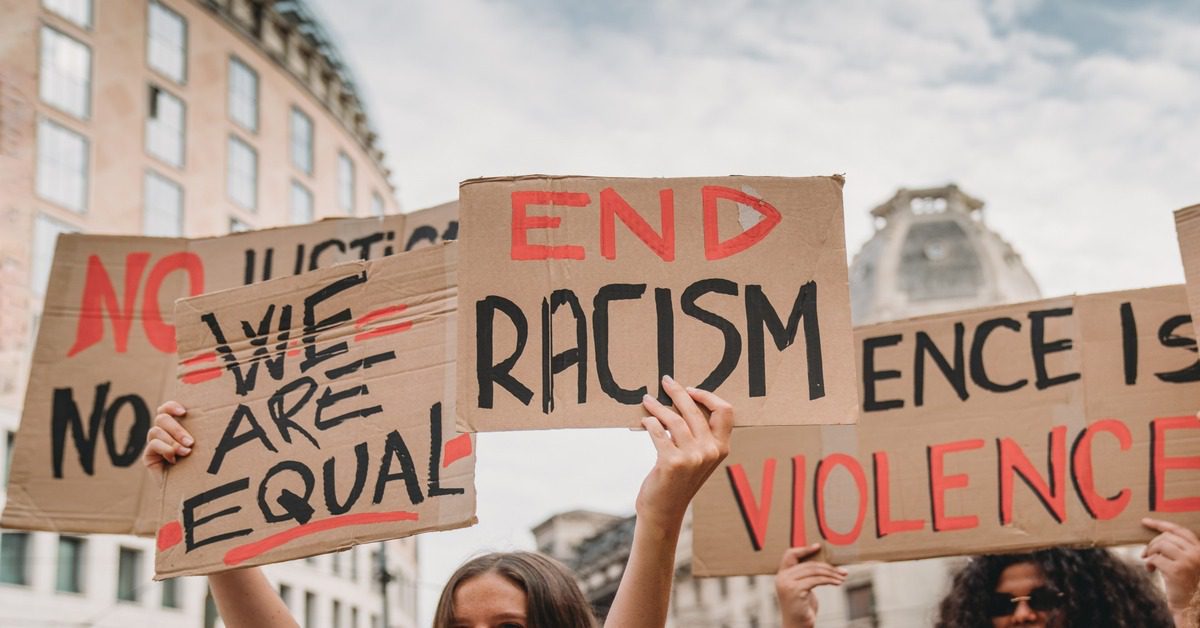
Systemic racism in the UK has been dissected, debated, and documented for decades—but little has changed. Despite over 40 years of official reports packed with urgent recommendations, only a third of them have seen the light of day. This sobering reality, uncovered by a recent investigation, paints a troubling picture of promises made and progress denied.
Each time racial injustice ignites public outrage—whether it’s the murder of Stephen Lawrence, the Windrush scandal, or the Black Lives Matter movement—commissions are launched, and bold recommendations are issued. Yet, these calls to action often vanish into silence. Experts now say it’s time to break this “doom loop” of neglect.
Take, for example, the 12 major government-backed reviews analyzed. These reports generated nearly 600 recommendations touching every corner of society—education, healthcare, policing, business, and community cohesion. And yet, fewer than a third were fully implemented. Others were diluted, shelved, or reversed—especially during periods of government austerity. Some weren’t acted upon at all.
According to systemic racism in the UK experts, this trend reveals a dangerous cycle. Prof Ted Cantle, who led a government review after the 2001 race riots, describes it like this: an incident erupts, a review follows, recommendations are made, and then… nothing. “We’re stuck in a loop,” he said, “where reviews are used to calm anger—not drive real change.”
Cantle’s findings—only 5% fully implemented—reflect the broader pattern. Even measures adopted under Labour governments, such as Ofsted’s role in inspecting community cohesion and the expansion of early childhood programmes like Sure Start, were later dismantled in the name of austerity.
And it’s not just past reports. More recent efforts, like Lord Victor Adebowale’s 2021 review of mental health and policing, also faced governmental indifference. Adebowale revealed that just 14% of his recommendations have been fully applied. He believes lives might have been saved had the rest not been ignored.
“A healthy society,” Adebowale insists, “is an equitable one.” But systemic racism in the UK continues to sabotage that vision. Black men still die disproportionately in police custody. They face poorer outcomes in nearly every major disease category. Many discover cancer only when it’s too late—at Stage Four, in emergency rooms. The data is staggering, and the silence surrounding it even more so.
Some of the same recommendations—such as banning dangerous restraint techniques—appear again and again in multiple reviews. And still, deaths persist. Time after time, action has either come too late or not at all.
Despite these systemic failures, there have been glimmers of progress in the private sector. The Parker Review, which targeted FTSE companies, set a clear goal: ensure ethnic diversity on boards. Today, 95% of FTSE 100 companies and 86% of FTSE 250 companies have at least one minority ethnic board member. It shows that change is possible—when there’s real will behind it.
Unfortunately, the public sector doesn’t share that same momentum. Labour MP Clive Lewis called it what it is: “a performative cycle.” From Scarman to Lammy, government after government has ignored clear evidence of systemic racism in the UK, opting instead for symbolic gestures that soothe public outcry but avoid transformation.
The cycle is as predictable as it is infuriating: a crisis erupts, a commission is formed, recommendations are filed—and then forgotten. The real issues are never addressed. The underlying injustices remain.
Bell Ribeiro-Addy, another Labour MP, summed it up bluntly: “It’s hard not to conclude that many race inquiries were designed more to diffuse public anger than deliver real justice.”
And yet, through this grim landscape, voices are rising. Demands for change persist. The story of systemic racism in the UK isn’t over—not yet. But it will take more than reports. It will take courage. It will take action.
And most of all, it will take the political will to stop treating racial equality like a side project and start seeing it as central to the future of a fair and united Britain.
Read latest news on supernews.pk