
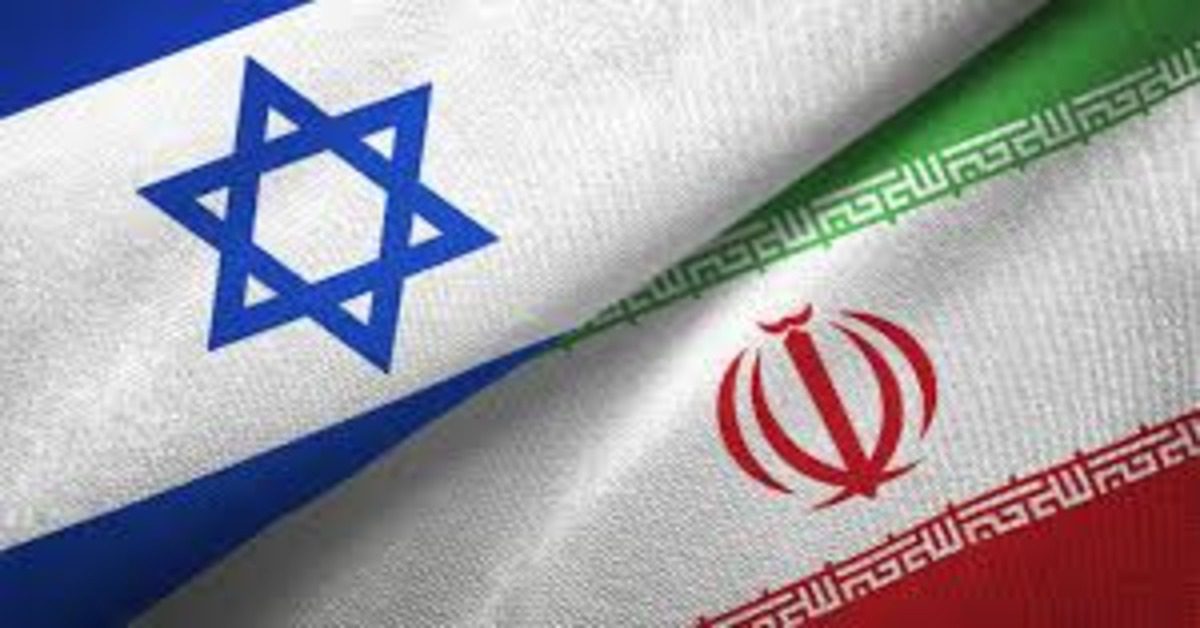
The world watched in stunned silence as Iran Israel Missile Strikes 2025: Tel Aviv, Tehran Under Hit unfolded with unprecedented fury. On Sunday night, Iran unleashed a fresh wave of long-range ballistic missiles, striking deep into Israeli territory. Firefighters scrambled as one missile slammed into a residential building along Israel’s Mediterranean coast, leaving smoke, debris, and despair in its wake.
But the devastation didn’t stop there.
Earlier that day, Israel launched a punishing aerial assault across Iran. From the western borders to the capital Tehran—and as far east as Mashhad—explosions lit up the skies. Prime Minister Benjamin Netanyahu had promised to make Iran “pay a heavy price” for the killing of Israeli civilians. That price, it seems, is being paid in missiles and mounting death tolls.
Amid this tit-for-tat warfare, Iran Israel Missile Strikes 2025: Tel Aviv, Tehran Under Hit became more than just a headline—it became a chilling reminder of how quickly a shadow war can erupt into open conflict.
To shield its people, Iran began converting mosques, metro stations, and even schools into makeshift bomb shelters. Despite the danger, Israel showed no signs of letting up. The Iranian military announced its mission “would continue as long as necessary,” signaling the worst may still lie ahead.
For decades, Iran and Israel have fought their battles in silence—through proxies, espionage, and threats. But now, the gloves are off. For the first time, these arch-enemies are trading direct fire. Explosions echoed over occupied Jerusalem. Aerial defense systems roared into action across Tehran. Civilians huddled in fear as both nations reeled from deadly barrages.
The human cost is growing.
Ten lives were lost in Israel overnight, pushing the death toll to thirteen since Iran began its retaliation on Friday. Over 380 people are reportedly injured. Meanwhile, Iranian state media confirmed that Israeli missiles killed at least five in downtown Tehran on Sunday. Local outlets claim that Israeli strikes on Friday and Saturday alone killed 128 and wounded nearly 900 more.
Iran Israel Missile Strikes 2025: Tel Aviv, Tehran Under Hit escalated further when Israel’s military claimed to have targeted Mashhad airport—roughly 2,300 kilometers from Israeli soil—marking the longest-range strike of the conflict yet. Thick clouds of smoke blanketed Tehran after airstrikes obliterated fuel depots and reportedly damaged the foreign ministry and police headquarters.
As fear gripped both nations, daily life ground to a halt. Tehran’s gas stations saw massive queues. Highways out of the capital were clogged, yet many residents chose to stay, unwilling to abandon their homes.
In Bat Yam, just outside Tel Aviv, six were killed and nearly 180 injured after a missile reduced part of the city to rubble. Farther north in Tamra, a late-night strike crushed a three-story apartment building, killing four women.
By Sunday evening, the strikes kept coming. Blasts rocked Tehran as Israel claimed it had hit Iran’s defense ministry and the Organization of Defensive Innovation and Research (SPND). The situation grew more volatile as both sides accused each other of espionage. Iran arrested two suspected Mossad agents. Israel, in turn, detained two individuals allegedly linked to Iranian intelligence.
The rhetoric is sharpening. The stakes are rising.
Israeli forces warned Iranians to evacuate areas near weapons facilities. Iran’s military responded with a chilling statement: “Leave the occupied territories while you still can—they won’t be habitable soon,” declared Colonel Reza Sayyad.
As part of its ongoing retaliation—dubbed “True Promise 3”—Iran launched yet another round of missiles late Sunday. This came just hours after Israeli warplanes targeted central Tehran for the third consecutive day.
Amid fears that the conflict could spread beyond borders, Iranian Foreign Minister Abbas Araqchi urged restraint. “Dragging the war into the Persian Gulf is a strategic mistake,” he said, accusing Israel of trying to sabotage Iran’s nuclear negotiations with the U.S.
Adding to the drama, Netanyahu claimed in a televised interview that Israel had successfully assassinated Iran’s intelligence chief, Mohammad Kazemi, and his deputy—deep inside Tehran. In a separate revelation, a senior U.S. official told AFP that former President Donald Trump had vetoed an Israeli plan to assassinate Iran’s Supreme Leader, Ayatollah Ali Khamenei.
The world holds its breath as Iran Israel Missile Strikes 2025: Tel Aviv, Tehran Under Hit pushes the Middle East to the edge of a wider war. With every strike, the risk of regional escalation grows. Civilians suffer. Leaders harden. And peace feels farther away than ever.
Read latest news on supernews.pk