
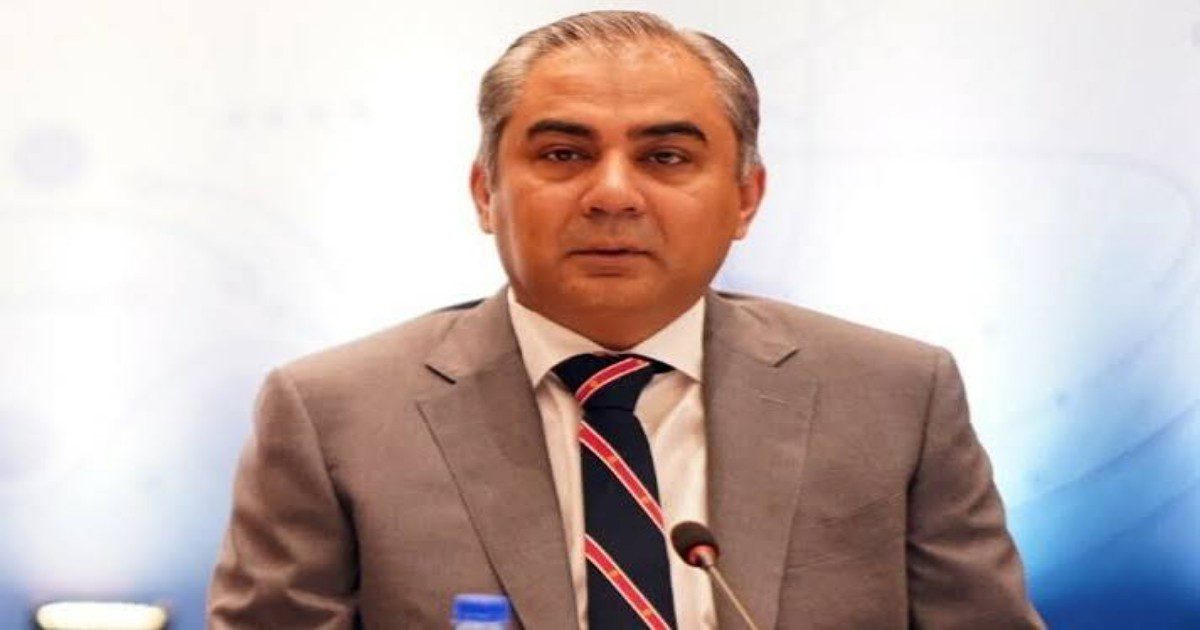
Islamabad, October 13, 2026: Federal Interior Minister Mohsin Naqvi has defended the government’s decision to impose emergency measures and governor’s rule in Khyber Pakhtunkhwa (KP), insisting that every action taken by the federal authorities remained within Pakistan’s constitutional framework.
Speaking during a Senate session on Tuesday, Naqvi rejected allegations that the federal government had violated the Constitution. He maintained that the decision was taken in response to serious security challenges and difficulties in securing cooperation against terrorism.
Mohsin Naqvi Challenges Critics to Identify Constitutional Violations
During his address to the Senate, Mohsin Naqvi challenged legal experts and opposition lawmakers to identify any constitutional provision that the government had violated.
The interior minister maintained that the emergency and governor’s rule were introduced through procedures available under the Constitution.
He argued that the government had not exceeded its legal authority and was prepared to defend its actions.
However, the constitutional validity of the measures remains disputed, with opposition parties questioning whether the necessary conditions for federal intervention were met.
Interior Minister Responds to Raja Nasir Abbas
Naqvi also responded to remarks made by Senate Opposition Leader Allama Raja Nasir Abbas during the parliamentary debate.
The interior minister described Abbas’s speech as emotional and said discussions about terrorism had been taking place in Parliament for some time.
He maintained that the federal government had consulted political leaders on the security situation and explored ways to strengthen cooperation.
According to Naqvi, the government’s objective was to develop a united response to terrorism rather than deepen political divisions.
Naqvi Reveals Discussions With Asad Qaiser
The interior minister referred to earlier discussions with former National Assembly speaker and senior PTI leader Asad Qaiser.
According to Naqvi, Qaiser had assured the federal government of his support for Pakistan’s fight against terrorism.
However, the minister claimed that the position subsequently adopted by the KP government differed from the assurances given during those discussions.
Naqvi said the federal government had requested cooperation from PTI representatives but was unable to secure a consistent approach from the provincial administration.
These statements reflect the interior minister’s account of the negotiations.
Federal Government Says Governor’s Rule Was a Difficult Decision
Naqvi maintained that the government had not wanted political disagreements to reach the point where extraordinary constitutional measures became necessary.
He said repeated efforts had been made to address security concerns through consultations and cooperation.
The interior minister argued that terrorism required a coordinated national response and that disagreements between federal and provincial authorities could undermine security efforts.
He reiterated that the government’s decision was based on constitutional powers rather than political considerations.
In an earlier statement, Naqvi had similarly described the emergency measures as a difficult course of action following unsuccessful efforts to reach an understanding with PTI.
Why Was Governor’s Rule Imposed in Khyber Pakhtunkhwa?
The federal government imposed emergency measures and governor’s rule in KP on October 11, 2026.
President Asif Ali Zardari approved the intervention under Articles 232 and 234 of the Constitution following advice from Prime Minister Shehbaz Sharif.
The federal government cited increasing militant attacks, threats to public safety and what it described as inadequate cooperation from the PTI-led provincial administration.
The decision transferred provincial executive authority to Governor Faisal Karim Kundi under the emergency arrangement.
PTI has rejected the government’s justification, arguing that security challenges should be addressed without suspending the authority of an elected provincial government.
What Do Articles 232 and 234 Allow?
Article 232 deals with emergency proclamations when the security of Pakistan or part of the country is threatened under circumstances specified in the Constitution.
Article 234 provides for federal intervention when a province cannot be governed in accordance with constitutional requirements.
These provisions establish procedures and limits for extraordinary action, including parliamentary oversight.
Legal experts have expressed differing views on whether the current proclamations satisfy those requirements and the extent to which they can be challenged in court.
PTI Challenges Federal Government’s Decision
PTI has strongly opposed the emergency and governor’s rule, describing the intervention as an infringement on provincial autonomy and the democratic mandate of KP voters.
The party disputes allegations that its provincial leadership failed to cooperate in counterterrorism efforts.
Opposition leaders have indicated that they will pursue legal and parliamentary avenues to challenge the decision.
The disagreement has intensified tensions between Islamabad and PTI, with both sides offering different accounts of the failed negotiations and the security situation.
Read more similar news in our local category.
Political Debate Over KP Emergency Continues
The Senate debate reflects the continuing disagreement over the federal government’s decision to assume control of the provincial administration.
While Mohsin Naqvi maintains that the government acted entirely within constitutional limits, PTI and other critics question the justification and consequences of the intervention.
Further parliamentary proceedings and potential court challenges are expected to shape the future of governor’s rule in Khyber Pakhtunkhwa.
If you want to read more news like this visit supernews.pk