
Major Pipeline Rupture Sparks Widespread Shortages
The crisis began on April 29, when an 84-inch water main ruptured, severely disrupting Karachi’s water distribution network. Although repair work on the damaged line has been completed, normal water supply has yet to resume, due to low water pressure in the repaired pipeline. This delay has left numerous neighborhoods in all seven districts of the city without adequate water.
Government Response and Delays in Restoration
Sindh Chief Minister Syed Murad Ali Shah has directed the Karachi Water and Sewerage Corporation (KWSC) to urgently restore water services. However, KWSC insiders reveal that it could take several more days to fully resume the city’s normal supply.
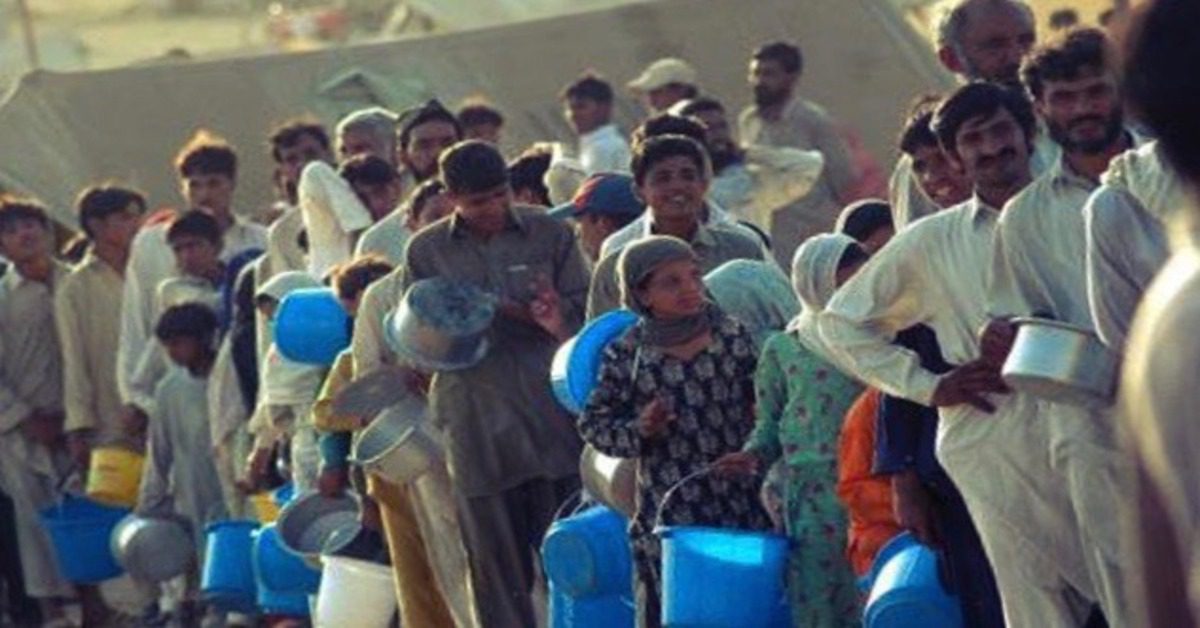
Karachi requires over 1,200 million gallons of water daily (MGD), yet it is currently receiving only around 400 MGD, less than half the necessary amount. This massive shortfall is fueling frustration among citizens, especially in the midst of scorching summer temperatures.
Residents Forced to Pay for Water
With no water coming from taps, many residents have turned to private water tankers, often paying exorbitant rates. Areas severely affected by the Karachi severe water crisis include:
-
Gulshan-i-Iqbal
-
Scheme-33
-
PECHS
-
Bahadurabad
-
Tariq Road
-
Chanesar Town
-
Liaquatabad
-
Nazimabad
-
Pak Colony
-
Golimar
-
Shershah
-
Landhi
-
Korangi
-
PAF Base Masroor
-
…and many others
On-Ground Voices: Frustration Grows
Zaid Rabbani from PECHS shared, “We haven’t had water since the pipeline burst. We had to arrange a tanker and pay extra just to get by.”
In Gulshan-i-Iqbal, Tauseef Ali Shah said that water was restored briefly, but pressure was so low they could only fill two buckets. KWSC explained that low pressure was initially maintained as a safety measure post-repair.
Aging Infrastructure at the Root of the Problem
Experts attribute the ongoing Karachi severe water crisis to the city’s outdated water infrastructure. Many of Karachi’s main supply lines, between 48 to 84 inches in diameter, date back to 1956 and 1971. With time, these pipelines have deteriorated, leading to frequent leaks, ruptures, and unreliable water delivery.
What Lies Ahead?
KWSC officials assure the public that water supply will normalize within the next few days, but with no immediate relief in sight, residents continue to struggle through what has become one of the worst water crises Karachi has faced in recent years.
Read latest news and updates on supernews.pk