
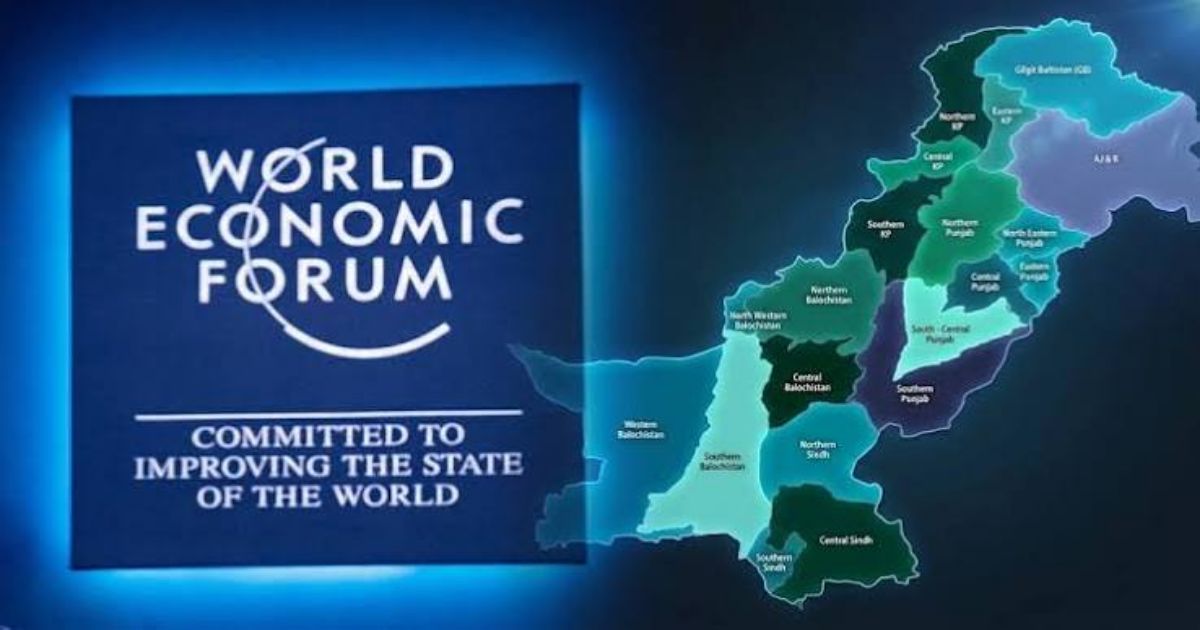
Pakistan may need to reorganise its administrative structure to improve governance and public service delivery as its population continues to grow, according to a new analysis published by the World Economic Forum (WEF) on October 9, 2026. The proposals include creating 16 provinces, establishing 23 to 25 administrative units, or developing more than 30 units based on existing divisions.
The analysis highlights the challenges of governing a population of approximately 260 million through four main provinces. It argues that bringing decision-making closer to citizens could help improve education, healthcare, infrastructure and government accountability. However, the proposals are scenarios for discussion, not an announced government policy or an approved plan to create new provinces.
Three Proposals for Pakistan’s Administrative Structure
The WEF analysis outlines three possible approaches to reorganising the country’s administrative map.
Option 1: Create 16 Provinces
Each of Pakistan’s four existing provinces would be divided into four units, resulting in an average population of around 15 million per unit.
Option 2: Establish 23–25 Units
Boundaries would be designed around population balance and geographical considerations.
Option 3: Create More Than 30 Units
Existing administrative divisions could provide a starting point for establishing smaller units and bringing government closer to local communities.
Why Is Administrative Reform Being Discussed?
Pakistan’s growing population and uneven public-service outcomes have renewed questions about whether the existing administrative system can meet local needs effectively.
The WEF analysis highlights several concerns:
-
Education: Around 28% of children aged five to 16 are out of school.
-
Limited provincial revenue: Provincial taxes generated Rs983 billion in 2024–25, equivalent to less than 0.9% of GDP.
-
Uneven development: Districts differ significantly in population, geography and access to essential services.
- Distance from decision-makers: Policies made in provincial capitals may not adequately address the needs of remote communities.
Would More Provinces Improve Governance?
The analysis argues that smaller administrative units could help officials respond more directly to local problems, distribute budgets more effectively and improve accountability. It also points to examples from countries such as Nigeria, Indonesia and Kenya, which have reorganised their administrative systems over time.
However, creating more provinces would not automatically improve public services. New units would need adequate funding, effective institutions, clear responsibilities and reliable revenue sources. Without these safeguards, administrative fragmentation could increase costs without delivering better results.
Read more similar news in our local category.
Is Pakistan Creating New Provinces?
The WEF article presents possible models for administrative reform; it does not announce that Pakistan has approved 16 new provinces or a plan to establish 30 administrative units. Any actual restructuring would require further political discussion and the applicable constitutional process.
The central question is whether changes to Pakistan’s administrative structure can bring better schools, healthcare, infrastructure and public services to citizens.
If you want to read more news like this visit supernews.pk