
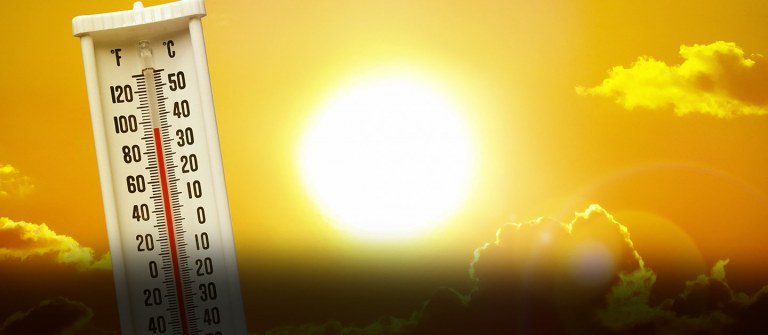
A heatwave in Pakistan has become one of the most pressing environmental and public health challenges in recent years. Rising global temperatures, climate change, rapid urbanization, and deforestation have contributed to increasingly frequent and intense heatwaves across the country. From the plains of Punjab to the deserts of Sindh and Balochistan, millions of people are affected by extreme temperatures every year. These prolonged periods of excessive heat not only threaten human health but also impact agriculture, water resources, energy consumption, and the national economy.
Pakistan is among the countries most vulnerable to climate change despite contributing a relatively small share of global greenhouse gas emissions. As heatwaves become more severe and frequent, understanding their causes, consequences, and preventive measures is essential for protecting communities and ensuring sustainable development.
What is a Heatwave?
A heatwave is a prolonged period of unusually high temperatures, often accompanied by high humidity, that exceeds the normal climate conditions of a region. In Pakistan, temperatures during a heatwave can exceed 45°C and sometimes approach or surpass 50°C in certain areas. These extreme weather events can last for several days or even weeks, creating dangerous conditions for people, animals, and the environment.
Heatwaves are becoming more common due to global climate change, which has increased average temperatures worldwide. As a result, countries like Pakistan are experiencing record-breaking heat events more frequently than ever before.
Causes of Heatwaves in Pakistan
Climate Change
Climate change is the primary driver behind the increasing intensity and frequency of heatwaves in Pakistan. The accumulation of greenhouse gases in the atmosphere traps heat, causing global temperatures to rise. This warming effect leads to more frequent extreme weather events, including heatwaves.
Deforestation
Trees play a crucial role in regulating temperatures by providing shade and absorbing carbon dioxide. Unfortunately, deforestation in many parts of Pakistan has reduced natural cooling mechanisms, contributing to hotter local climates.
Urbanization
Rapid urban development has created “urban heat islands,” where concrete buildings, roads, and infrastructure absorb and retain heat. Cities such as Karachi, Lahore, and Islamabad often experience higher temperatures than surrounding rural areas.
Changing Weather Patterns
Changes in atmospheric circulation and weather systems can lead to prolonged periods of high-pressure conditions. These systems prevent cloud formation and rainfall, allowing temperatures to rise significantly.
Impact on Human Health
Heatwaves pose serious health risks, particularly for vulnerable populations such as children, the elderly, outdoor workers, and individuals with pre-existing medical conditions.
Heat Stroke and Dehydration
Prolonged exposure to high temperatures can cause heat exhaustion and heat stroke, both of which are medical emergencies. Symptoms include dizziness, confusion, nausea, rapid heartbeat, and loss of consciousness.
Increased Mortality Rates
Severe heatwaves have resulted in thousands of heat-related illnesses and deaths in Pakistan. Individuals without access to adequate cooling, clean water, or healthcare are especially at risk.
Respiratory and Cardiovascular Problems
Extreme heat can worsen respiratory diseases and place additional strain on the cardiovascular system. Patients with asthma, heart disease, and hypertension often experience increased complications during heatwaves.
Impact on Agriculture
Agriculture is the backbone of Pakistan’s economy and employs a large portion of the population. Heatwaves can have devastating consequences for the agricultural sector.
Reduced Crop Yields
Excessive heat damages crops by disrupting growth cycles and reducing productivity. Wheat, rice, cotton, and vegetable crops are particularly vulnerable to extreme temperatures.
Livestock Stress
Animals suffer from heat stress, leading to reduced milk production, lower fertility rates, and increased mortality. Farmers often face significant financial losses during prolonged heat events.
Water Scarcity
Heatwaves accelerate evaporation from rivers, reservoirs, and irrigation systems, reducing water availability for agricultural activities.
Water Crisis and Heatwaves
Pakistan already faces serious water management challenges, and heatwaves worsen the situation considerably. Higher temperatures increase water demand while simultaneously reducing supply through evaporation.
Glacial melt in northern regions may initially increase water flow, but long-term melting threatens the sustainability of water resources. Urban centers often experience water shortages during extreme heat, creating additional hardship for residents.
Economic Consequences
Heatwaves affect multiple sectors of the economy. Increased demand for electricity to power air conditioners and cooling systems places pressure on the national power grid, often leading to outages and higher energy costs.
Productivity also declines as outdoor workers, construction laborers, and agricultural employees struggle to perform tasks in extreme temperatures. Businesses may face disruptions, while healthcare systems experience increased demand due to heat-related illnesses.
The cumulative economic impact of heatwaves can amount to billions of rupees in losses annually.
Environmental Effects
Heatwaves contribute to environmental degradation in several ways. Higher temperatures increase the risk of wildfires, damage ecosystems, and threaten biodiversity. Rivers, lakes, and wetlands may experience reduced water levels, affecting aquatic life.
Extreme heat can also worsen air pollution by increasing the formation of ground-level ozone, which negatively affects both human health and the environment.
Government and Community Response
The Government of Pakistan and local authorities have implemented various measures to reduce the impact of heatwaves. Public awareness campaigns encourage people to stay hydrated, avoid direct sunlight, and seek medical attention when necessary.
Heatwave emergency plans in major cities help coordinate healthcare services and emergency responses. Meteorological departments issue heat alerts and weather forecasts to warn citizens about dangerous temperature conditions.
Community organizations and volunteers often establish cooling centers and distribute water to vulnerable populations during extreme heat events.
How to Stay Safe During a Heatwave
Individuals can take several precautions to protect themselves during a heatwave:
- Drink plenty of water throughout the day.
- Avoid outdoor activities during peak afternoon hours.
- Wear lightweight, light-colored clothing.
- Use hats, umbrellas, and sunscreen when outside.
- Keep homes well-ventilated and use fans or air conditioning if available.
- Check regularly on elderly family members and vulnerable neighbors.
- Never leave children or pets in parked vehicles.
These simple measures can significantly reduce the risk of heat-related illnesses.
Conclusion
The heatwave in Pakistan is a growing challenge that reflects the broader impacts of climate change and environmental degradation. Rising temperatures threaten public health, agriculture, water security, and economic stability. While government initiatives and community efforts are helping to reduce risks, long-term solutions require stronger climate policies, improved urban planning, reforestation programs, and sustainable resource management.
Addressing the causes of heatwaves and strengthening adaptation strategies will be crucial for protecting future generations. By increasing awareness and taking proactive measures, Pakistan can build greater resilience against the extreme weather events that are becoming increasingly common in the modern era.
Read latest news and updates at supernews.pk