
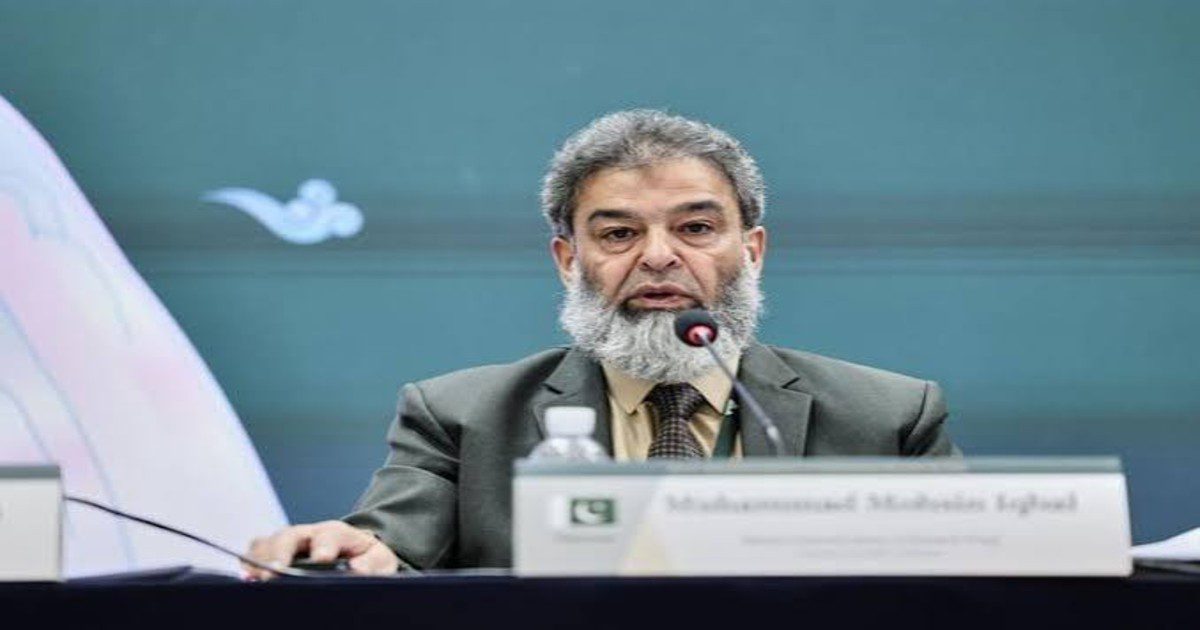
Pakistan’s evolving diplomatic role in the Middle East has highlighted the importance of dialogue, conflict prevention and regional cooperation. In an opinion article published by Islamabad Post on October 27, 2026, writer Muhammad Mohsin Iqbal examines Field Marshal Syed Asim Munir’s role in Pakistan’s diplomatic engagement and efforts to encourage peace among regional powers.
The article argues that military leadership should be measured not only by defence capabilities but also by its ability to prevent conflict, preserve national security and create opportunities for peaceful negotiations.
Balancing National Security with Diplomacy
The article discusses the relationship between military preparedness and diplomatic restraint, referring to the confrontation between Pakistan and India in May 2025. It notes that the two nuclear-armed neighbours reached an understanding to cease military action on May 10, 2025, following an escalation in hostilities.
According to the author, the episode demonstrated the importance of credible defence capabilities alongside communication and diplomacy. He argues that sustained engagement remains necessary to address unresolved disputes, including Kashmir and cross-border security concerns.
Pakistan’s Mediation Between the United States and Iran
The opinion piece also examines Pakistan’s engagement with Washington and Tehran during heightened regional tensions in 2026. It credits Islamabad with helping facilitate a temporary ceasefire and hosting high-level discussions intended to keep diplomatic channels open.
The author highlights Field Marshal Munir’s contacts with Iranian leaders as part of Pakistan’s broader efforts to encourage dialogue. However, the article acknowledges that mediation has not resolved the fundamental differences between the United States and Iran.
It argues that keeping communication channels open can create opportunities for future negotiations and reduce the risk of further escalation.
Efforts to Ease Saudi-Iranian Tensions
Another major focus of the article is the relationship between Saudi Arabia and Iran. It discusses diplomatic contacts involving Iranian, Saudi, Turkish and Pakistani representatives in Tehran on October 26, 2026.
The author presents Pakistan’s relationship with Saudi Arabia, geographical proximity to Iran and links with other regional countries as factors that could help Islamabad encourage dialogue. The article also refers to Pakistan’s defence cooperation with Saudi Arabia and Türkiye, suggesting that regional partnerships could complement diplomatic engagement.
At the same time, the piece recognises that longstanding rivalries and competing national interests make regional reconciliation difficult. It argues that sustained dialogue and political commitment are necessary to turn diplomatic initiatives into lasting agreements.
Read more similar news in our local category.
Why Peaceful Diplomacy Matters
The article concludes that military strength alone cannot guarantee long-term stability. According to the author, successful leadership also requires restraint, communication and a willingness to prevent further bloodshed.
It suggests that Pakistan could contribute to regional stability by encouraging Saudi-Iranian engagement, supporting dialogue between Washington and Tehran, and working with Türkiye, Qatar and other regional partners.
Ultimately, the article presents peacebuilding as an ongoing process whose success should be judged by tangible outcomes, including fewer attacks, renewed negotiations, safer trade routes and reduced regional tensions. These are the author’s assessments of Pakistan’s diplomatic role rather than confirmation that lasting settlements have already been achieved.
If you want to read more news like this visit supernews.pk