


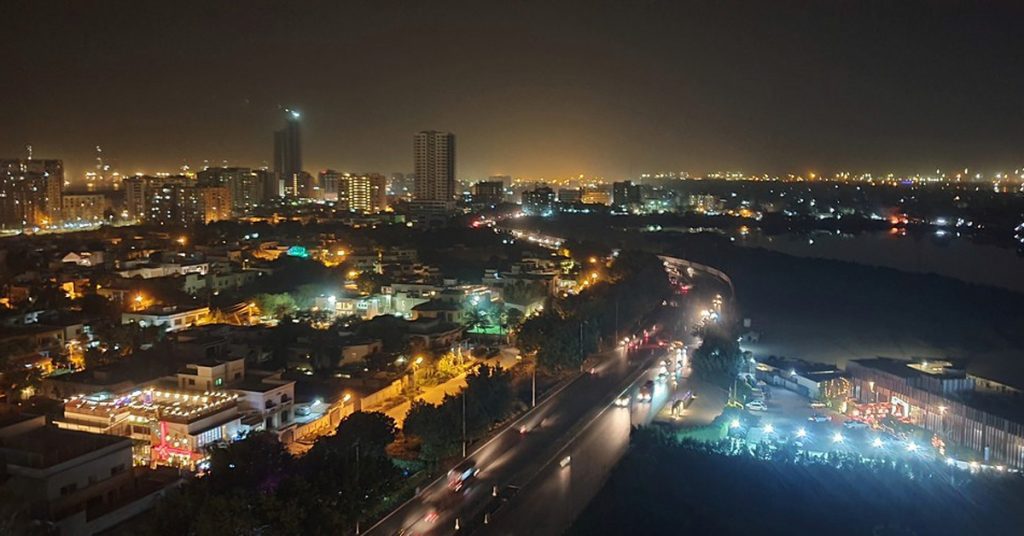
The provincial government in Sindh is advancing a new master plan dubbed the Greater Karachi Regional Plan 2047 to address the rapidly expanding size and needs of Karachi. The initiative is intended to guide infrastructural, housing and transport decisions for the coming decades.
Population growth is being flagged as the major barrier to the plan’s success. According to the most recent census, Karachi’s population rose by 4 million in just five years (from ~14.8 m in 2017 to ~18.8 m in 2023).
Experts note that while Pakistan’s national growth rate is around 1.5 percent annually, Karachi’s rate is approximately 6 percent, largely driven by migration from other provinces and neighbouring countries.
Past master plans for Karachi—such as the 1974–85 development plan and the Karachi Strategic Development Plan 2020—have not been fully implemented. Critics emphasise that the new plan must avoid the same fate by including public-consultation, clear governance and stakeholder input.
Beyond housing and transport, the plan will need to address fundamental infrastructure deficits: waste-management, water and sewerage services, land-use planning, and governance fragmentation (20+ agencies across the city, only about 31 % under the direct control of the Karachi Metropolitan Corporation).
In short, while the Greater Karachi Regional Plan 2047 presents a forward-looking vision, its success hinges on tackling the core challenge of population pressure and converting planning into execution.