


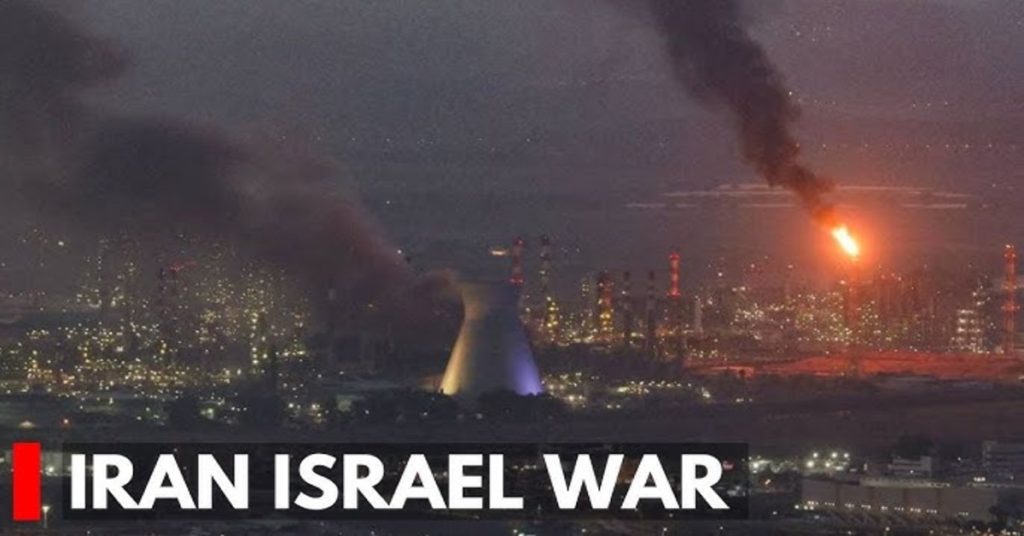
Iran Refuses Ceasefire as the Middle East teeters on the edge of its most volatile crisis in years. With Israeli warplanes striking deep into Iranian territory, Tehran has made it absolutely clear: diplomacy can wait — retaliation comes first.
Behind closed doors, Iranian officials informed mediators from Qatar and Oman that they would not entertain any ceasefire negotiations while under active assault. An official briefed on the tense exchanges told Reuters, “Iran made it clear: no talks until we’ve answered back.”
The message couldn’t be more unyielding. “Iran refuses ceasefire” — not as a negotiating tactic, but as a matter of principle. The leadership in Tehran views dialogue as premature, while Israeli missiles are still hitting civilian and military targets across the country.
Just days ago, Israel launched a surprise offensive that killed top Iranian commanders and damaged key nuclear facilities. As the dust settled, Iran vowed to “open the gates of hell,” triggering what many are calling the most dangerous escalation between the longtime enemies.
Amid mounting international pressure, Iran’s newly elected President, Masoud Pezeshkian, delivered a fiery rejection of Western calls for calm. He accused American and European leaders of hypocrisy, stating, “Their promises of ceasefire in exchange for silence over Haniyeh’s murder were pure lies.”
Social media lit up with footage of his remarks, amplifying the narrative that Iran refuses Ceasefire because it sees no justice or sincerity in current peace overtures.
Contrary to some media reports, Iran has not asked Qatar or Oman to broker a ceasefire or reopen nuclear negotiations with the U.S., according to the same insider source. In fact, Iran’s Foreign Ministry, along with Qatari and Omani officials, have declined to comment on the diplomatic backchannel efforts publicly.
Qatar and Oman, often praised for their neutrality and historic ties to both Iran and the West, have facilitated talks in the past. But this time, their influence appears limited. The sheer scale of destruction and death has turned dialogue into a distant dream.
Earlier this week, Israel launched widespread airstrikes stretching from western Iran to the holy city of Mashhad. In return, Iran fired back with volleys of ballistic missiles aimed at Israeli cities like Tel Aviv, Haifa, and Ashkelon.
Iran refuses Ceasefire even as both sides suffer heavy losses. Israeli media reports at least 14 dead and dozens wounded. Meanwhile, Iran says over 220 civilians, including 25 children, have died in relentless Israeli air raids.
Central districts in northern Tehran — Niavaran, Saadat Abad, Valiasr, and Hafte Tir — have been reduced to rubble. Civilians are now sheltering in mosques, subway stations, and schools turned into makeshift bunkers.
Still, the Iranian military vows to press on. “This mission will continue as long as necessary,” a senior commander said in a televised statement.
The Israeli military remains on high alert, citing ongoing threats from Tehran’s expanding missile arsenal. Air defense systems across cities like Jerusalem and Tel Aviv are being constantly triggered, and the sky is lit by incoming fire.
As the world watches this deadly game of brinkmanship, one thing remains certain — Iran refuses Ceasefire, and peace is not yet on the horizon.
Read latest news on supernews.pk