


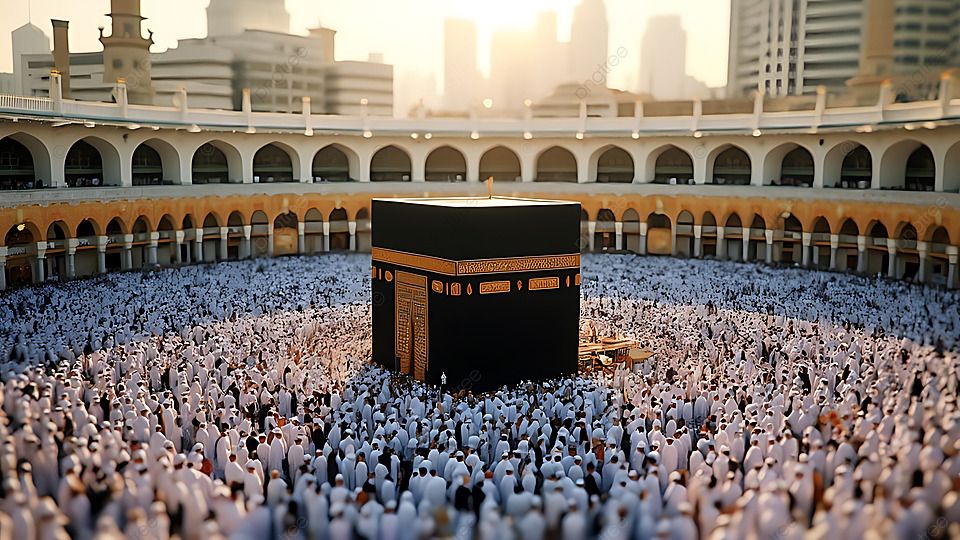
The historic journey of the Hajj pilgrimage 2026 has kicked off today in Saudi Arabia as millions of Muslims from across the world flocked to Makkah despite rising tensions across the Middle East. This year’s pilgrimage is of spiritual significance but also emotional significance as regional strife, soaring travel prices, and security threats continue to capture the world’s attention.
More than 1.5 million overseas pilgrims have already reached the kingdom before the ceremonial ceremonies began, Saudi authorities announced. In the coming days, thousands more pilgrims will arrive, making Hajj one of the world’s largest religious gatherings once again. Pilgrims are already heading toward Mina, where they will perform the main Hajj rituals.
The spirit of Makkah is alive and well, but the spectre of geopolitical turmoil looms large. Continuing tensions with Iran, delays to regional airspace, and worries of future escalation have put travel plans for many pilgrims this year in doubt. Recently, several airlines around the Gulf are said to have run into trouble, leading to delays and higher ticket rates for visitors headed to Saudi Arabia.
And still the pilgrims come, with tremendous resolve and faith. It’s one of the five pillars of Islam, and many Muslims save for years to make this once-in-a-lifetime travel. For older pilgrims, especially, the opportunity to make the Hajj is typically the realisation of a lifelong goal.
Pakistan remains among the top countries sending large numbers of pilgrims for the Hajj pilgrimage in 2026. Earlier this year, PIA completed arrangements to transport more than 60,000 Pakistani pilgrims through special Hajj flights from Karachi, Lahore, Islamabad, Multan, and Quetta.
Extreme weather still poses a serious issue. Makkah’s intense heat has forced many pilgrims to use umbrellas, cooling fans, and water sprays while moving between holy sites. Saudi authorities deployed medical teams, emergency workers, and volunteers across major pilgrimage areas. They aim to prevent heat-related illnesses and crowd emergencies.
Managing the crowd during Hajj has long been one of Saudi Arabia’s largest logistical challenges. In recent years, Saudi authorities have strengthened crowd control, added digital tracking systems, and upgraded transport networks. They did this after past stampedes, and overcrowding led to tragic deaths during the Hajj.
However, the trip is nonetheless marked by a feeling of solidarity. Muslims from different countries, cultures, and backgrounds gather around the Kaaba in prayer, united by faith and devotion. At a time when wars and political divisions continue to grow, the scenes from Makkah show how faith can still bring millions together with one shared purpose.
I feel that the Hajj of this year is a monument to the resilience and fragility of the Muslim world. “While political conflict continues to breed fear and instability across the region, millions still choose faith over fear.
Read more similar news at our international section