


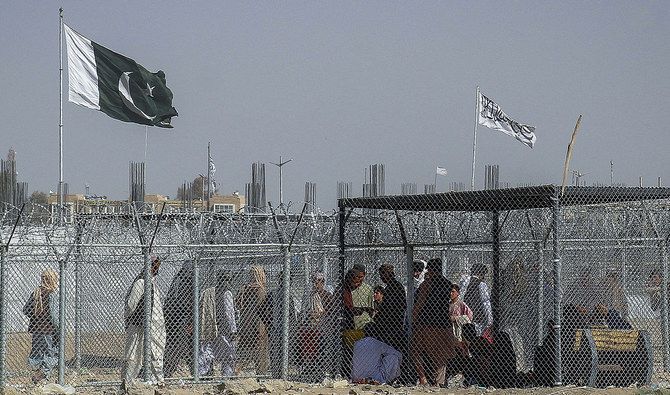
Afghan involvement in TTP attacks alarms Pakistan as security officials reveal that nearly 70% of militants behind recent cross-border assaults are Afghan nationals. This sharp increase, up from just 5–10% in previous years, highlights a growing regional security crisis, according to official sources.
The revelation came during a recent Shanghai Cooperation Organisation (SCO) meeting in Dushanbe, where Pakistan’s Special Representative on Afghanistan, Ambassador Muhammad Sadiq, shared the alarming figures. Officials disclosed that Iran also reported similar concerns, citing an attack on Chabahar Port in which 16 of the 18 assailants were Afghan nationals.
Authorities in Islamabad view this spike in Afghan participation as a dangerous new trend in cross-border terrorism. Analysts warn that the expanding Afghan footprint in TTP attacks reflects either the Taliban government’s inability—or unwillingness—to prevent the banned group from using Afghan territory as a base against Pakistan.
Despite repeated assurances, Taliban leaders have failed to dismantle TTP sanctuaries operating along the Pakistan-Afghanistan border. Islamabad maintains that these safe havens remain active, fueling a recent wave of deadly attacks in Khyber-Pakhtunkhwa that Pakistan has directly linked to Afghan-based militants.
In response, Pakistan is intensifying diplomatic outreach to pressure Kabul into taking decisive action. Ambassador Sadiq is set to visit Tehran and Moscow to rally support from regional powers, including Iran and Russia, who share concerns about extremist networks exploiting Afghanistan’s fragile security landscape.
Officials warn that the sharp increase in Afghan involvement in TTP attacks could escalate tensions between Islamabad and Kabul if the Taliban fail to curb cross-border militancy. Security experts caution that without concrete steps from the Afghan government, the situation risks becoming a major flashpoint in already strained bilateral relations.
Read latest news and updates at supernews.pk